
Ernest Pillay on 35 Years of Radio, Legacy, and Living with Purpose
Updated: Jun 7

Ernest Pillay is the kind of person who, even in the middle of a busy day, will pull over just to give you his full attention (he had to pull over at the side of the road for this interview). That’s Ernest in a nutshell, present, generous, and calm in a way that only comes from being truly comfortable in your own skin.
For more than 35 years, Ernest has been one of South Africa’s most familiar and respected voices on the radio. From Radio Metro to Kaya FM, from a satellite network reaching billions across four continents to his current spots on SAFM and Channel Africa, he hasn’t just witnessed radio’s changes; he’s helped create them.
But before the millions of listeners and the big shows, there was a boy in Katlehong with a small yellow radio.
Ernest’s childhood was shaped by two worlds. His mother was of Indian descent, and his father was Swazi from Tembisa. They never married, and growing up during apartheid meant Ernest often felt caught between identities. Moving between Katlehong and Eden Park, he felt too light in one place and not quite belonging in another.
“I grew up wrestling with who I was,” he says. “In Katlehong, they said I was too light. In the coloured area, I wasn’t coloured enough.” He later saw those feelings echoed in the words of Trevor Noah about mixed-race identity. But while identity was complicated, music was clear and simple.
At six years old, sitting in one of his father’s taxis, Ernest first heard soul legends like Aretha Franklin and Marvin Gaye. That music filled the car and left a mark that never faded.
“That was where my love for music truly began,” he remembers.
At home, radio was his refuge. His grandmother had two small radios, one red, one yellow. Ernest claimed the yellow one and at night would quietly listen under his blanket so his mother wouldn’t hear it. During the day, he’d stand by a telephone pole to catch the FM signal better.
“That little radio was my best friend,” he smiles.
Back then, he didn’t know he wanted to be a broadcaster. He just knew radio made him feel alive.
By 17, he was DJing at Easy By Night, a legendary East Rand club where the official age limit was 23. Ernest got around that by standing on a crate in the DJ booth to look older.
“All the big names came through there—Brenda Fassie, Yvonne Chaka Chaka, and they all became my friends," he recalls fondly.
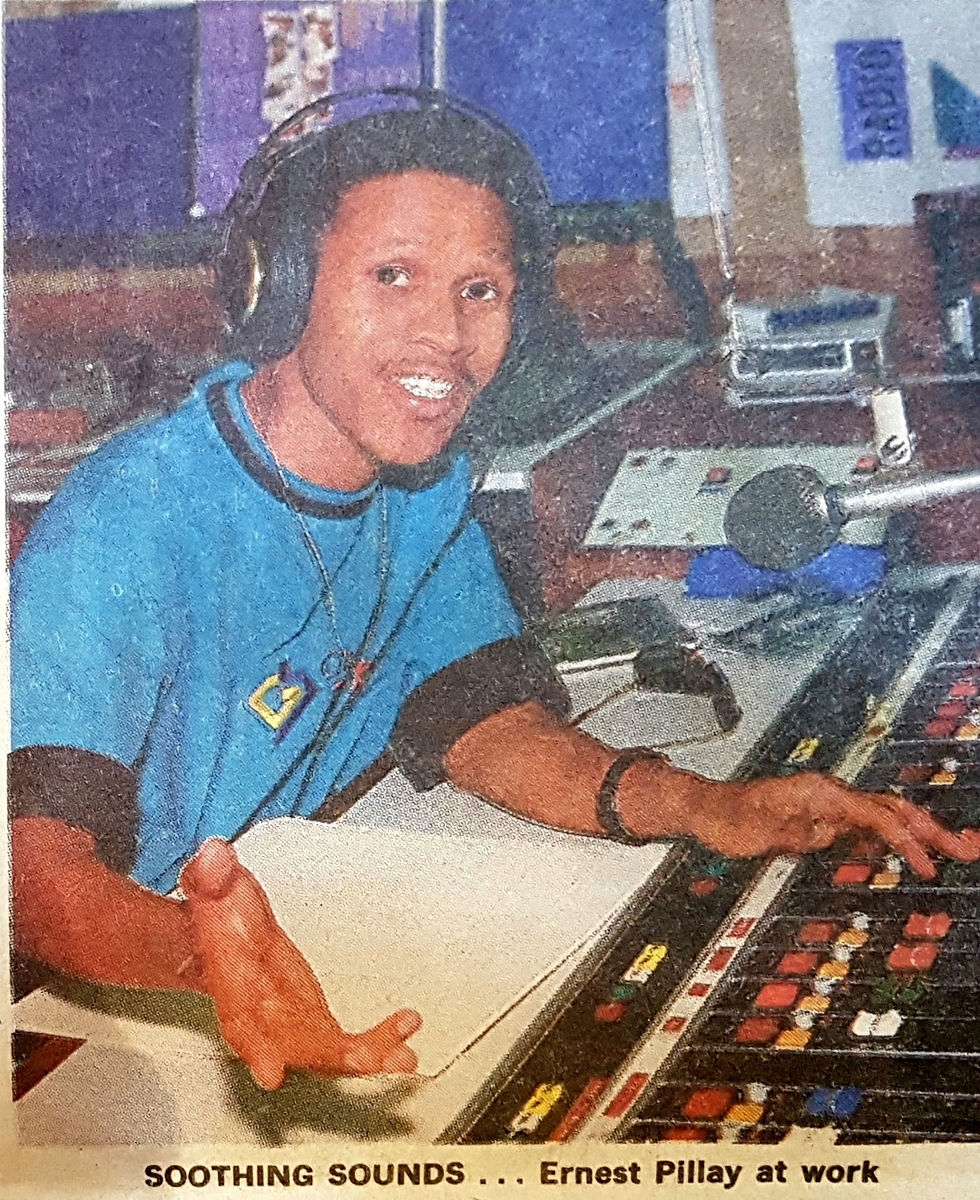
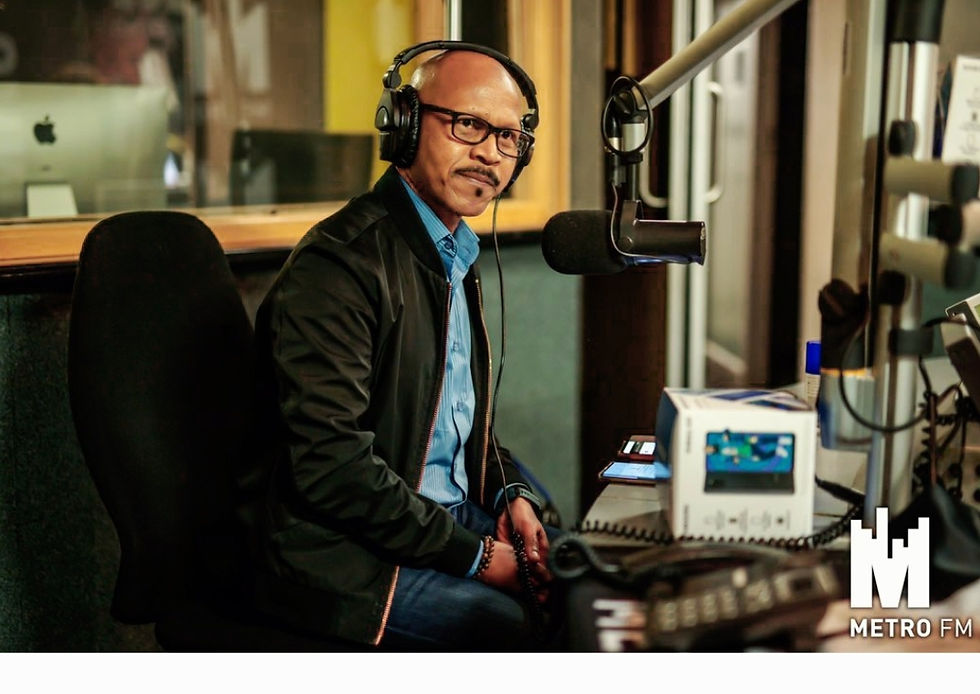
One night, during a Metro FM event at the club, Ernest did something bold. Between songs, he started speaking like a radio presenter, doing “radio-style links.” The station execs noticed immediately and invited him to meet.
He told them he loved radio so much he’d do it for free—though he joked he hoped they’d cover his taxi fare. But then came a lesson he never forgot. After a late night, he overslept and missed a meeting with Metro. They froze him out for a whole year.
“That was a wake-up call about the importance of time and discipline,” he says. “Radio runs on time.”

When the call finally came, Ernest was ready. He dropped plans to tour with a band and headed straight to Johannesburg. At Metro, he worked his way through graveyard shifts and early mornings until one day, unexpectedly, he was on breakfast radio—live, nervous, and sweating. Then the legendary James Earl Jones walked in for an interview.
“That was my trial by fire,” Ernest laughs. “And I nailed it.”
From there, he became a beloved voice on major shows, even hosting the Coca-Cola Top 40 where he reached a million listeners, almost half of Metro’s entire audience.
Beyond the numbers, Ernest made culture. Long before love song Sundays were a thing, his Pillay’s Mood show created that vibe.

In 1997, when Kaya FM became the first Black independent commercial station, Ernest was one of just two voices management wanted. He hosted prime slots and even became music manager because his music choices connected deeply.
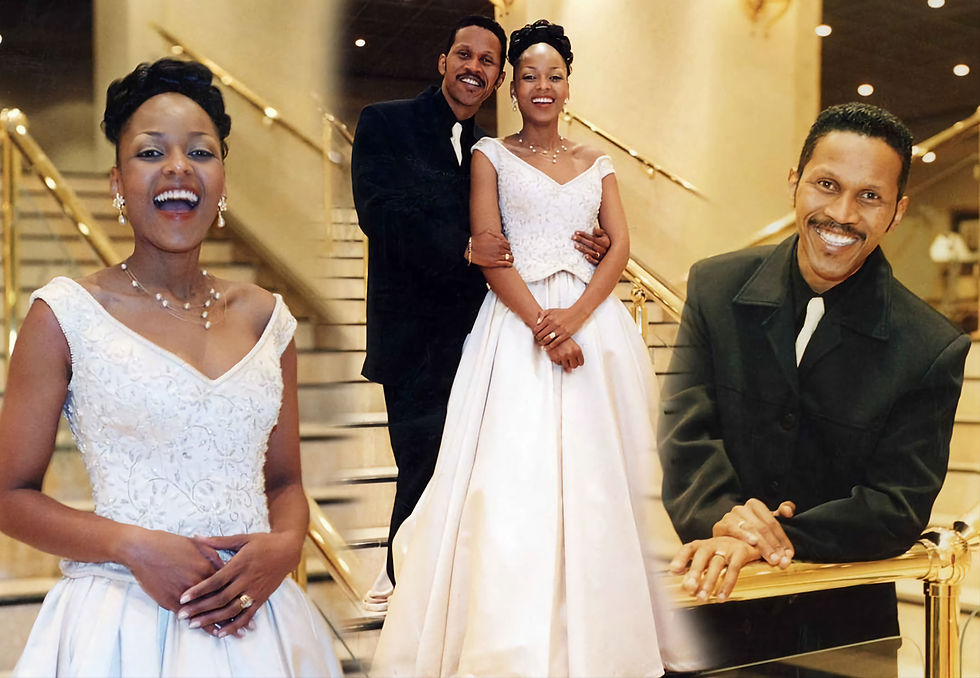
He stayed until 1999, then married on September 11, leaving Kaya for Durban the next day.
His career went global in 2003 when he joined the Washington D.C.-based WorldSpace digital satellite radio network, broadcasting to 4.3 billion people. He helped build two African stations and even pioneered what we now call podcasts, pre-recording shows for different time zones.
Despite all his success, Ernest has never collected a radio award. He disagrees with how they judge edited clips, saying great radio is about real, uncut moments, just like sports legends are judged on real games, not highlight reels.
His station once entered him without telling him, and he won. But he never went to collect it.
For Ernest, the real rewards come from listeners who share how his voice has soundtracked their lives or touched their hearts.
Outside the mic, family is his greatest pride. Growing up as the only boy in a house full of women, he found his ideal family on The Cosby Show. Today, married since 1999 and rooted in his Catholic faith, he balances family and career with grace.
Now on SAFM and Channel Africa, Ernest has worked at 25 stations, and his passion for radio is as strong as ever.
Just before this interview, he spotted a song on TikTok, looked for it on YouTube, and saved it for his Sunday show.
“I still get excited about radio,” he says. “I still pull over just to Shazam a song.”
Radio was his first love. Family comes first now. But being second to that? Not bad at all.
When asked about legacy, Ernest humbly points to the listeners who keep telling him what his voice has meant to them.
“They will tell you,” he says quietly. “All I do is give it my all every time that microphone goes on.”
As The Gauteng Grind, we celebrate Ernest Pillay, not only for his incredible contributions to radio and culture but also for inspiring one of our Founders who helped build this very platform. His legacy lives on in the voices he’s shaped and the hearts he’s touched across generations.
Ernest Pillay currently presents on SAFM and Channel Africa and is working on a book.


Comments